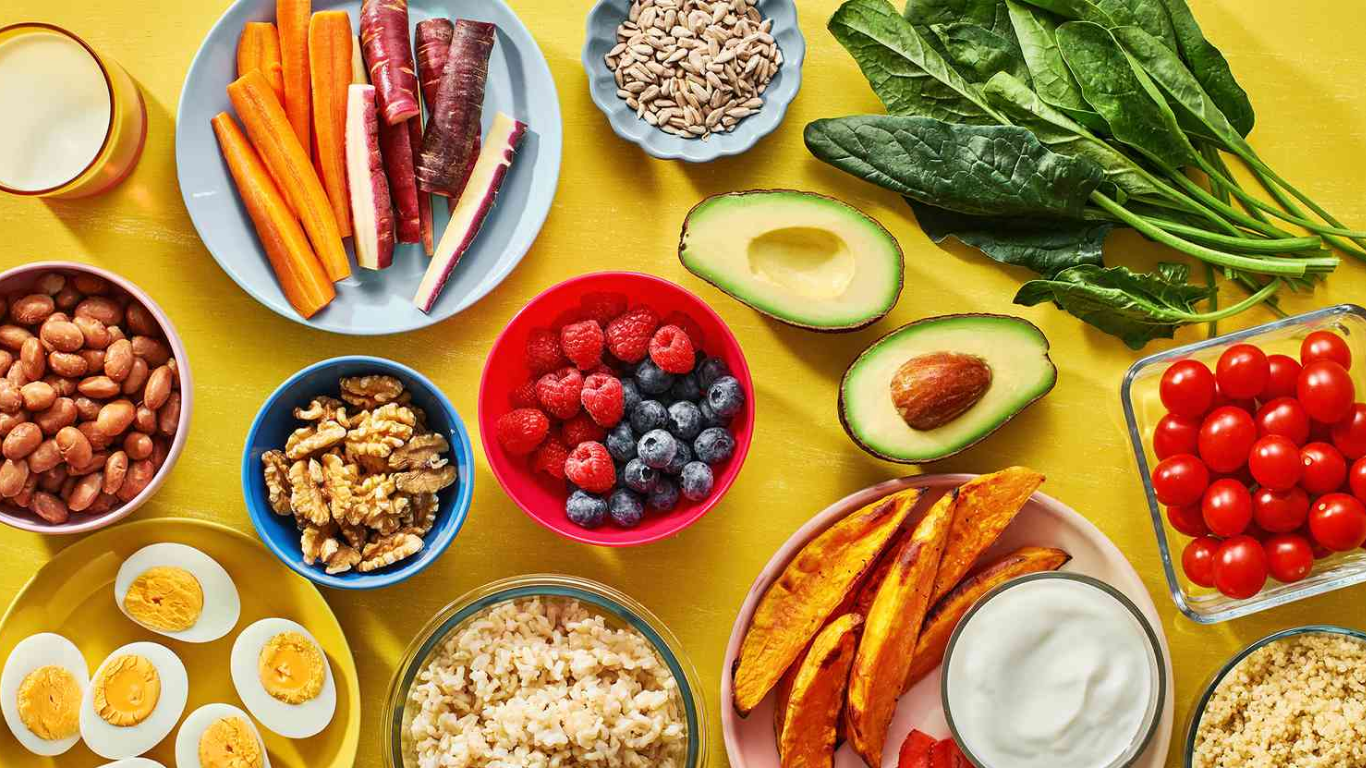
Tag What are the three principles of healthy eating?

Eat Clean, Feel Amazing

Eat Clean, Feel Amazing

In a world filled with fast food, processed snacks, and sugary drinks, the idea of eating clean has gained significant attention. Clean eating is not a diet or a temporary trend it is a lifestyle choice that focuses on nourishing your body with wholesome, natural foods. When you eat clean, you fuel your body properly, support long-term health, and experience increased energy, mental clarity, and overall well being.This article explores what clean eating really means, why it matters, and how adopting clean eating habits can help you feel truly amazing every day.

What Does Eat Clean Really Mean

Clean eating emphasizes consuming foods that are whole, minimally processed, and nutrient-rich. It encourages choosing foods as close to their natural form as possible while avoiding artificial additives, preservatives, and excessive sugar.

Key Principles of Clean Eating:

  • Eat whole foods like fruits, vegetables, grains, and lean proteins

  • Limit processed and packaged foods

  • Avoid artificial sweeteners and additives

  • Choose healthy fats over trans fats

  • Drink plenty of water

Clean eating is about making smarter food choices, not starving yourself or following restrictive rules.

Why Clean Eating Matters

The foods you eat directly affect how your body functions. Poor nutrition can lead to fatigue, weight gain, digestive issues, and chronic diseases. Clean eating supports your body’s natural processes and promotes long term health.

Benefits of Clean Eating:

  • Increased energy levels

  • Improved digestion

  • Stronger immune system

  • Better skin and hair health

  • Enhanced mental clarity and mood

When you eat clean, your body responds with improved performance and vitality.

The Connection Between Food and Energy

Food is fuel. When you consume highly processed foods, your energy levels rise and fall quickly, leading to fatigue and cravings. Clean foods provide steady, sustained energy.

How Clean Foods Boost Energy:

  • Complex carbohydrates release energy slowly

  • Lean proteins support muscle repair

  • Healthy fats improve brain function

  • Vitamins and minerals support metabolism

By choosing clean foods, you avoid energy crashes and feel more energized throughout the day.

Clean Eating and Mental Well Being

Your brain requires proper nutrition to function optimally. Research shows a strong connection between diet and mental health.

Mental Benefits of Clean Eating:

  • Reduced stress and anxiety

  • Improved concentration and memory

  • Balanced mood

  • Better sleep quality

Foods rich in omega 3 fatty acids, antioxidants, and B vitamins support brain health and emotional stability.

Clean Eating for Better Digestion

Digestive health plays a crucial role in overall well being. Clean eating supports gut health by reducing inflammation and promoting beneficial bacteria.

Foods That Support Digestion:

  • Fiber-rich fruits and vegetables

  • Whole grains

  • Yogurt and fermented foods

  • Plenty of water

A healthy digestive system leads to better nutrient absorption and reduced bloating and discomfort.

Clean Eating and Weight Management

Clean eating naturally supports healthy weight management without strict calorie counting.

How Clean Eating Helps with Weight:

  • Reduces cravings and overeating

  • Improves metabolism

  • Encourages mindful eating

  • Supports fat loss and muscle maintenance

When your body receives proper nutrition, it naturally regulates hunger and weight.

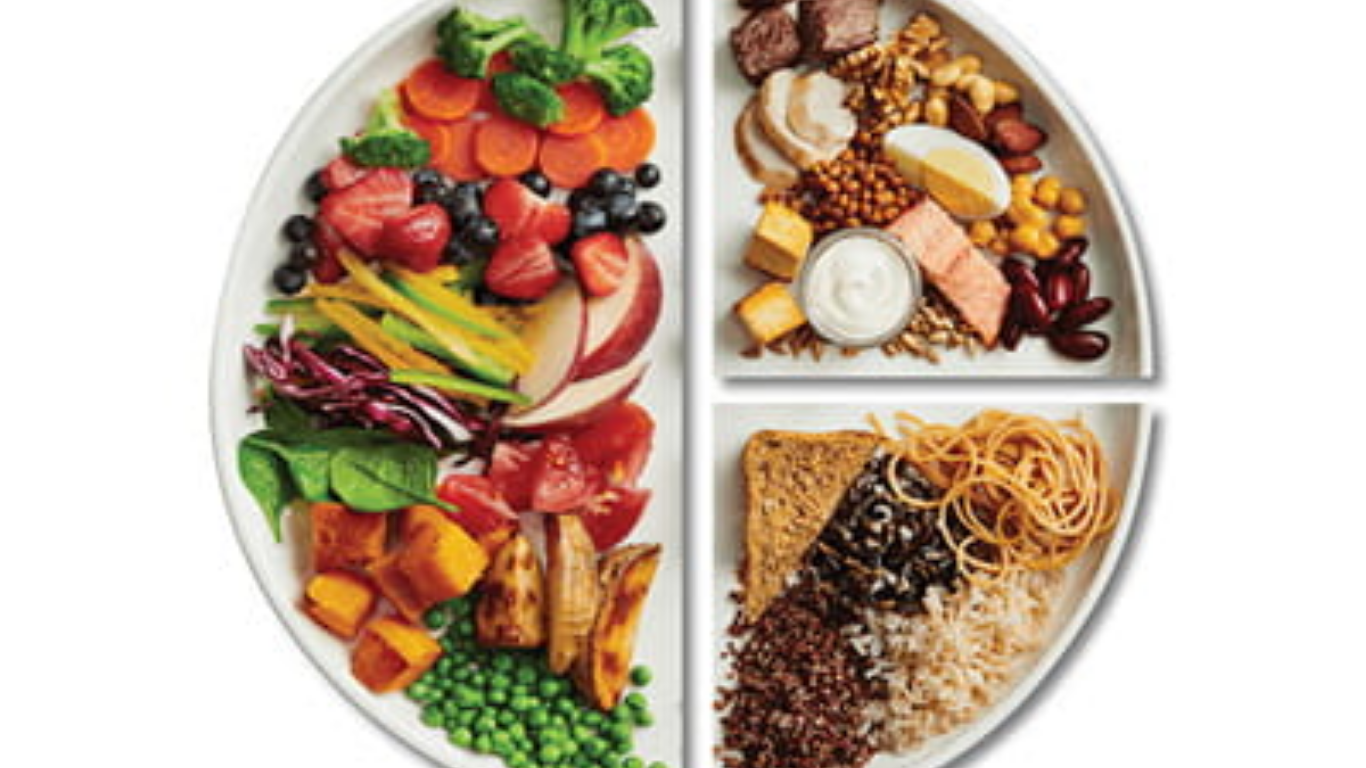
Building a Clean Eating Plate

A balanced clean eating plate includes a variety of nutrients.

Ideal Clean Eating Plate:

  • Half vegetables and fruits  vitamins, minerals, fiber

  • One-quarter lean protein  chicken, fish, beans, eggs

  • One-quarter whole grains  brown rice, oats, quinoa

  • Healthy fats  olive oil, nuts, seeds

This balanced approach ensures your body gets everything it needs to thrive.

Clean Eating on a Busy Schedule

Many people believe clean eating requires hours in the kitchen, but it doesn’t have to.

Simple Clean Eating Tips for Busy People:

  • Meal prep on weekends

  • Choose simple recipes

  • Keep healthy snacks available

  • Use frozen fruits and vegetables

Planning ahead makes clean eating convenient and sustainable.

Clean Eating on a Budget

Clean Eating on a Budget

Eating clean does not have to be expensive.

Budget Friendly Clean Eating Tips:

  • Buy seasonal produce

  • Choose whole foods over packaged items

  • Cook meals at home

  • Buy grains and legumes in bulk

Smart shopping and planning can make clean eating affordable for everyone.

Hydration: A Key Part of Clean Living

Clean eating goes hand in hand with proper hydration.

Benefits of Drinking Enough Water:

  • Supports digestion

  • Flushes toxins

  • Improves skin health

  • Enhances energy and focus

Aim to drink water throughout the day and limit sugary beverages.

Common Clean Eating Myths

There are many misconceptions about clean eating that can discourage people.

Transitioning to Clean Eating Gradually

You don’t need to change everything overnight. Small steps lead to lasting habits.

Easy Ways to Start:

  • Replace sugary drinks with water

  • Add one extra vegetable to meals

  • Choose whole grains instead of refined ones

  • Reduce packaged snack intake

Gradual changes help you stick to clean eating long-term.

Clean Eating and LongTerm Health

Consistent clean eating supports disease prevention and longevity.

Long Term Health Benefits:

  • Reduced risk of heart disease

  • Better blood sugar control

  • Stronger bones and muscles

  • Improved immune function

Clean eating is an investment in your future health and quality of life.

The Emotional Benefits of Clean Eating

Eating clean also affects how you feel emotionally.

Emotional Benefits:

  • Increased confidence

  • Improved relationship with food

  • Reduced guilt and stress around eating

  • Greater sense of control and self care

Feeling good about what you eat contributes to overall happiness.

Making Clean Eating a Lifestyle

Clean eating works best when it becomes part of your daily routine rather than a temporary plan.

Tips for Long Term Success:

  • Focus on progress, not perfection

  • Enjoy occasional treats mindfully

  • Experiment with new recipes

  • Listen to your body

Consistency matters more than strict rules.

Clean Eating and Social Life

You can still enjoy social events while eating clean.

Social Clean Eating Tips:

  • Make healthier choices when dining out

  • Balance indulgent meals with clean meals

  • Focus on enjoyment, not restriction

Clean eating should enhance your life, not limit it.

Conclusion:

Eat Clean, Feel Amazing is more than a slogan it s a powerful reminder of how deeply nutrition impacts every aspect of your life. Clean eating nourishes your body, sharpens your mind, boosts energy, and supports emotional well being. It does not require perfection or extreme restriction, but rather mindful choices and consistency.By choosing whole, nutrient-rich foods, staying hydrated, and listening to your body, you can experience lasting health and vitality. Every clean meal is a step toward feeling better, living stronger, and enjoying a healthier future.Remember: When you eat clean, your body thanks you and you truly feel amazing.more info…
Healthy Eating Habits

Healthy Eating Habits

Healthy eating habits are the foundation of a strong body, a sharp mind, and a balanced life. In today’s fast paced world, many people rely on processed foods, sugary drinks, and irregular meal timings, which can lead to various health problems. Adopting healthy eating habits does not mean strict dieting or giving up favorite foods. Instead, it involves making smart, consistent food choices that nourish the body and support long term health. This article explores the importance of healthy eating habits, their benefits, and practical ways to develop them in daily life.

Understanding Healthy Eating Habits

Healthy eating habits refer to consuming a balanced diet that provides all essential nutrients in the right proportions. These habits focus on variety, moderation, and consistency rather than restriction. A healthy diet supports physical growth, boosts immunity, improves mental health, and reduces the risk of chronic diseases. Healthy eating is not the same for everyone. Age, gender, activity level, and health conditions influence individual nutritional needs. However, the core principles remain the same for all.

Importance of Healthy Eating Habits

Healthy eating habits play a crucial role in maintaining overall health. They help:

  • Maintain a healthy body weight

  • Improve digestion and metabolism

  • Strengthen the immune system

  • Reduce the risk of heart disease, diabetes, and obesity

  • Improve energy levels and mood

Good nutrition also supports healthy skin, hair, and strong bones, contributing to a better quality of life.

Start Your Day with a Nutritious Breakfast

Breakfast is often called the most important meal of the day. A healthy breakfast provides energy after a long overnight fast and helps regulate blood sugar levels.

Components of a Healthy Breakfast:

A balanced breakfast should include:

  • Whole grains such as oats or whole wheat bread

  • Protein sources like eggs, yogurt, or nuts

  • Fresh fruits or vegetables

  • Healthy fats in small amounts

Skipping breakfast can lead to overeating later in the day and reduced concentration.

Eat a Balanced and Varied Diet

Eat a Balanced and Varied Diet

Include All Food Groups:

A healthy diet includes foods from all major food groups:

  • Fruits and vegetables: Rich in vitamins, minerals, and fiber

  • Whole grains: Provide energy and support digestion

  • Protein sources: Build and repair body tissues

  • Healthy fats: Support brain and heart health

Eating a variety of foods ensures that the body receives all necessary nutrients.

Focus on Portion Control:

Even healthy foods can cause weight gain if eaten in large quantities. Portion control helps maintain balance and prevents overeating. Eating slowly and paying attention to hunger cues can improve digestion and satisfaction.

Increase Intake of Fruits and Vegetables:

Fruits and vegetables are essential for healthy eating habits. They are low in calories and high in nutrients that protect the body from diseases.

Benefits of eating fruits and vegetables include:

  • Improved digestion

  • Reduced inflammation

  • Lower risk of chronic illnesses

  • Enhanced immune function

Aim to include different colors of fruits and vegetables in your meals for maximum nutritional benefits.

Choose Whole Grains Over Refined Grains:

Whole grains such as brown rice, whole wheat bread, and oats are healthier than refined grains. They contain more fiber, vitamins, and minerals, which help regulate blood sugar levels and promote digestive health. Replacing refined grains with whole grains is a simple yet effective step toward healthier eating.

Limit Sugar and Salt Intake

Reduce Added Sugars:

Excessive sugar consumption can lead to weight gain, tooth decay, and increased risk of diabetes. Avoid sugary drinks, sweets, and processed snacks as much as possible. Choose natural sources of sweetness, such as fruits, instead of refined sugar.

Control Salt Consumption:

High salt intake can increase blood pressure and the risk of heart disease. Limiting processed and packaged foods helps reduce excess salt intake. Using herbs and spices instead of salt adds flavor without health risks.

Stay Hydrated Throughout the Day:

Water is essential for all body functions, including digestion, circulation, and temperature regulation. Healthy eating habits include drinking enough water daily.

Benefits of proper hydration:

  • Improved digestion

  • Healthy skin

  • Better concentration

  • Detoxification

Aim for at least 8 10 glasses of water per day, adjusting based on activity level and climate.

Healthy Eating Habits for Weight Management

Healthy eating is not about extreme dieting. Sustainable weight management comes from consistent, balanced eating habits.

Tips for maintaining a healthy weight:

  • Eat regular meals

  • Avoid late-night snacking

  • Choose nutrient-dense foods

  • Practice mindful eating

Combining healthy eating with physical activity enhances long term results.

Importance of Protein in the Diet:

Protein is essential for muscle growth, tissue repair, and immune function. Including adequate protein in your diet helps keep you full and supports metabolism.

Healthy protein sources include:

  • Lean meats

  • Fish

  • Eggs

  • Beans and legumes

  • Dairy products

Balancing plant and animal protein sources provides diverse nutrients.

Healthy Snacking Habits:

Snacking can be part of a healthy diet if done wisely. Instead of processed snacks, choose healthier options such as:

  • Fresh fruits

  • Nuts and seeds

  • Yogurt

  • Whole-grain crackers

Healthy snacks help maintain energy levels and prevent overeating during meals.

Mindful Eating Practices:

Mindful eating involves paying attention to what and how you eat. It helps develop a healthier relationship with food.

Key mindful eating practices include:

  • Eating without distractions

  • Chewing food thoroughly

  • Listening to hunger and fullness signals

Mindful eating improves digestion and reduces overeating.

Healthy Eating Habits for Long Term Health:

Healthy eating habits developed early in life have long term benefits. Teaching children the importance of balanced nutrition helps them grow into healthy adults. For adults, maintaining healthy eating habits supports aging, reduces disease risk, and improves overall well being.

Overcoming Common Challenges:

Busy schedules, stress, and limited access to healthy foods can make healthy eating challenging. Planning meals, preparing food at home, and making gradual changes help overcome these obstacles. Consistency is more important than perfection. Small improvements lead to lasting results.

Conclusion:

Healthy eating habits are a powerful tool for improving physical, mental, and emotional health. By choosing balanced meals, staying hydrated, practicing portion control, and being mindful of food choices, anyone can build a healthier lifestyle. Healthy eating is not about restriction it is about nourishment, balance, and sustainability. Start with small steps, stay consistent, and enjoy the journey toward better health through healthy eating habits.more info…

error: Content is protected !!